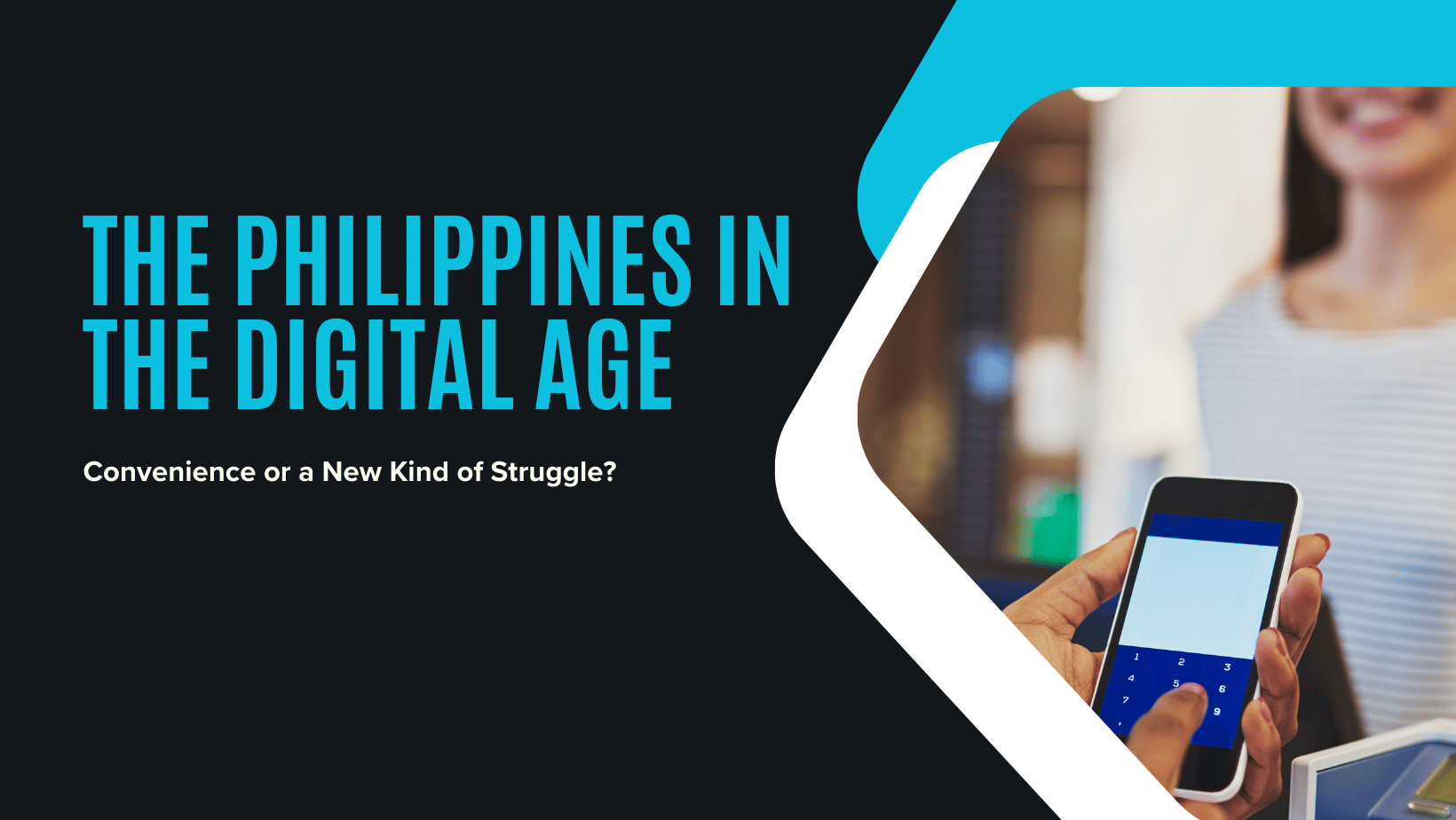
Digital payments. Online loans. Cashless promises.
The Philippines is racing into the digital financial age, but for many Filipinos, the journey is far from smooth.
While apps promise instant payments, fast loans, and financial inclusion, the reality on the ground tells a more complicated story—one filled with hidden fees, digital inequality, weak consumer protection, and financial stress masked as convenience.
This is the untold side of the Philippine digital finance boom.
The Rise of Digital Transactions in the Philippines 🇵🇭
Over the last few years, the Philippines has seen explosive growth in:
- E-wallets (GCash, Maya, GrabPay)
- Buy Now, Pay Later (BNPL) platforms
- Online lending apps
- Digital banks
- QR-based payments
- Cashless government and private transactions
Driven by:
- Smartphone penetration
- Pandemic-driven cashless adoption
- Aggressive fintech marketing
- A largely unbanked population
On paper, this looks like progress.
In reality, it’s progress with growing pains.
The Promise: Why Digital Finance Feels Like Freedom
Digital transactions offer undeniable benefits:
- No need to line up at banks
- Faster payments and remittances
- Access to loans without traditional credit history
- Financial access for rural and unbanked Filipinos
- 24/7 convenience
For many Filipinos, digital finance became:
- A lifeline
- A shortcut
- A last resort
But convenience often comes at a cost.
The Struggle Behind “Cashless Convenience”
1. Digital Fees That Quietly Drain Wallets 💸
Small fees add up:
- Transfer fees
- Cash-out fees
- Late payment penalties
- Service charges disguised in fine print
For minimum-wage earners, these “small” fees can mean:
- Less food on the table
- Delayed bills
- More borrowing to cover borrowing
Cashless doesn’t always mean cheaper.
2. Online Loans: Fast Approval, Long-Term Pain
Digital lending apps promise:
- “No collateral”
- “Instant approval”
- “Low requirements”
What they don’t highlight enough:
- High interest rates
- Short repayment windows
- Aggressive collection practices
- Psychological pressure and shame tactics
Many borrowers fall into:
- Debt cycles
- Loan stacking
- Digital harassment
For financially vulnerable Filipinos, these loans often solve today’s problem by creating tomorrow’s crisis.
3. Data Privacy: The Silent Risk Filipinos Ignore 🔐
To access digital services, users often give:
- Contacts
- Location
- SMS access
- Device data
Most users don’t fully understand:
- Where their data goes
- How long it’s stored
- Who can access it
When something goes wrong:
- Identity theft
- Scam exposure
- Data misuse
Digital convenience has quietly turned personal data into currency.
4. Digital Literacy Gap: Not Everyone Is “Tech-Ready”
Not all Filipinos grew up digital.
Challenges include:
- Elderly users struggling with apps
- Rural communities with unstable internet
- Workers unfamiliar with digital financial terms
- Users clicking “Agree” without understanding risks
This creates a digital divide where:
- The informed benefit
- The uninformed suffer consequences
5. System Downtime and Weak Support 🛑
When systems fail:
- Payments get stuck
- Funds disappear temporarily
- Support tickets take days or weeks
- Automated responses replace human help
For Filipinos living paycheck to paycheck, a delayed transaction can mean:
- Missed meals
- Penalties
- Emotional stress
Digital finance is powerful—but fragile.
The Disadvantage for Ordinary Filipinos
Despite the tech boom, many Filipinos feel:
- Digitally forced, not empowered
- Trapped between cashless systems and cash realities
- Financially exposed instead of protected
Digital tools were meant to simplify life, but without proper safeguards, they often:
- Shift risk to the user
- Normalize debt
- Blur accountability
What Needs to Improve in Philippine Digital Finance
1. Stronger Consumer Protection Laws ⚖️
We need:
- Clear loan disclosures
- Standardized interest rate transparency
- Stronger penalties for abusive practices
- Faster complaint resolution systems
Digital finance should protect users—not just platforms.
2. Nationwide Digital Financial Education 📘
Digital literacy must include:
- Understanding loan terms
- Managing digital debt
- Recognizing scams
- Protecting personal data
This should be:
- Taught in schools
- Integrated into community programs
- Promoted by both government and private sectors
3. Fairer Interest and Fee Structures
Innovation should not mean exploitation.
We need:
- Ethical fintech models
- Responsible lending frameworks
- Transparent pricing
- User-first design
Profit should not come at the cost of dignity.
4. Better Infrastructure and Reliability 🌐
Digital finance depends on:
- Stable internet
- Reliable systems
- Responsive customer support
Without these, “cashless” becomes stressful, not seamless.
5. Human-Centered Technology Design
Technology should adapt to people—not the other way around.
This means:
- Simple interfaces
- Local language support
- Clear explanations
- Real human assistance when needed
The Bigger Picture: Progress with Responsibility
The Philippines is not wrong for embracing digital finance.
But speed without safeguards creates new forms of inequality.
True digital progress means:
- Empowerment, not pressure
- Inclusion, not exclusion
- Convenience with accountability
Final Thoughts: Digital, But Still Filipino
Filipinos are resilient, adaptable, and hopeful.
We embrace technology—but we also feel its weight.
The digital age should:
- Lift lives
- Reduce stress
- Create opportunity
Not replace old struggles with new digital ones.
The future of Philippine digital finance depends not just on apps and algorithms—but on empathy, ethics, and education.
Trending Hashtags You Can Use 🚀
#DigitalPH #CashlessPhilippines #FintechPH #DigitalLoansPH #EWalletPH #OnlinePaymentsPH #FinancialInclusionPH #DigitalStruggles #DebtAwarenessPH #ConsumerProtectionPH #TechWithResponsibility #ModernFilipino #DigitalLiteracyPH


Leave a Reply